














Bruxism: what is it, why does it occur, how can it be treated?
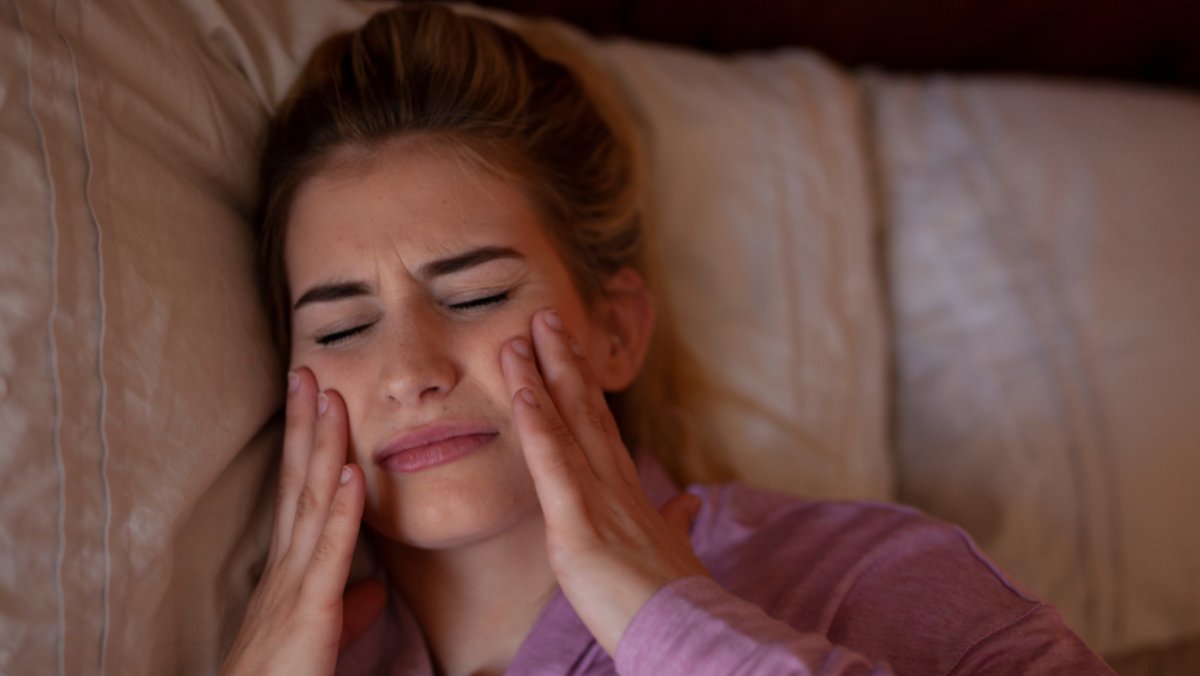
Bruxism (involuntary grinding or clenching of the teeth) can occur during the day or, more commonly, during sleep. It is often associated with stress, sleep disorders or the position of the teeth on the dental arch. Treatment usually includes a custom-made mouthguard and, in some cases, management of the triggering factors.
In short:
- Bruxism can occur both during the day and during sleep.
- Stress and sleep disorders are among the main causes.
- Sleep bruxism is the most difficult form for the affected person to notice.
- A custom-made mouthguard remains the most commonly recommended treatment option.
- Bruxism can also occur in children, usually as a temporary phase.
What is bruxism?
Bruxism is an involuntary activity of the jaw muscles, manifested by grinding or clenching the teeth. It can occur both while awake and during sleep, and its intensity varies from one person to another.
Most people grind their teeth occasionally, especially during periods of increased stress, without this necessarily representing a persistent problem. When it becomes frequent, a dental evaluation can help determine the appropriate approach.
What causes bruxism?
The causes of bruxism are varied and can differ significantly from one patient to another:
- high levels of stress or emotional tension;
- sleep disorders, such as restless sleep;
- irregular positioning of the teeth on the dental arch;
- consumption of caffeine or other stimulants, especially in the evening.
Identifying the main cause helps the dentist recommend the appropriate treatment approach for each individual case.
What is sleep bruxism?
Sleep bruxism refers to grinding the teeth during sleep, a common form of bruxism that often goes unnoticed by the affected person. It is frequently noticed first by a partner, or its effects are identified by the dentist during a routine check-up.
Unlike daytime bruxism, sleep bruxism is more difficult to control consciously, which is why a protective mouthguard remains a frequently recommended solution for this form.
Can bruxism also occur in children?
Yes, bruxism in children is relatively common, especially during tooth eruption or stages of dental arch development. In many cases, it is a temporary phase that improves as the child grows.
Regular dental consultations allow the condition to be monitored and, when necessary, an approach adapted to the child's age to be established.
How can bruxism be recognized?
Bruxism can be identified through several common signs, noticed either by the patient or by the dentist during a routine check-up.
| Common sign | Observation |
|---|---|
| Visible wear on the tooth surfaces | Often noticed by the dentist |
| Tooth sensitivity | May occur in the morning after waking up |
| Jaw discomfort | Usually located around the jaw joint |
| Tension in the facial muscles | Frequently experienced after sleep |
Recognizing these signs early allows an appropriate solution to be chosen according to each patient's needs.
What is a mouthguard for bruxism?
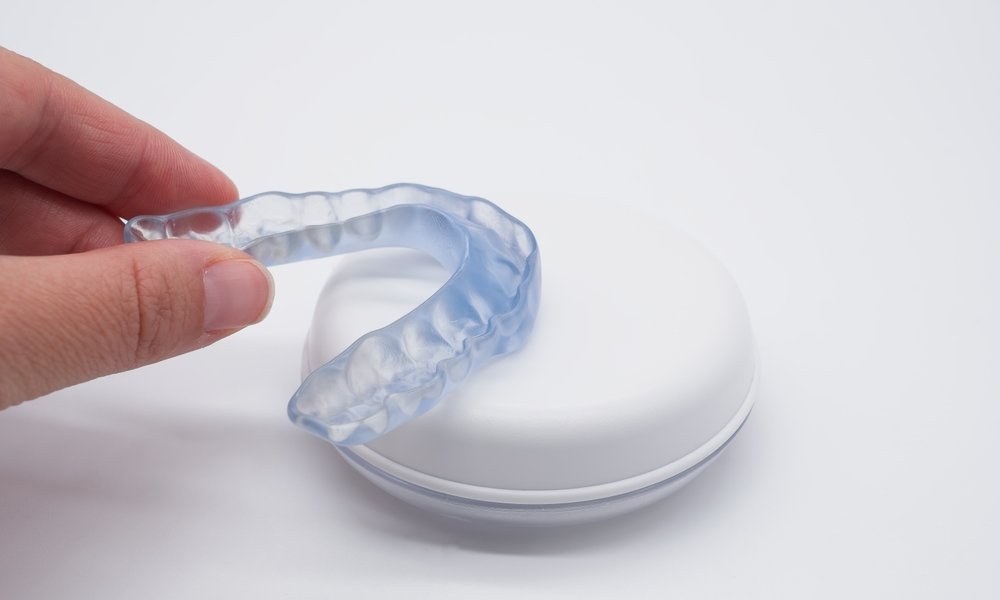
A bruxism mouthguard is a custom-made device manufactured from durable materials and worn over the teeth to reduce direct contact between the dental arches. Its main purpose is to protect tooth enamel and reduce tension in the jaw.
A bruxism mouthguard is usually made from a dental impression to ensure an accurate fit over the patient's dental arch. In most cases, it is worn during sleep and is one of the most commonly recommended solutions for sleep bruxism.
How much does a bruxism mouthguard cost?
The dentist will provide details about the cost of a bruxism mouthguard during the dental evaluation. For more information, you can also check the price list of AP Stomatologic Clinic.
What other treatment options are available for bruxism?
Treatment for bruxism is determined individually according to the identified cause and the frequency of the episodes. In addition to a mouthguard, the dentist may recommend techniques to relax the jaw muscles or, when appropriate, collaboration with other specialists to manage triggering factors.
What solutions help maintain long-term dental health?
A protective mouthguard, worn consistently when recommended, helps maintain the condition of the teeth over the long term. When restoring the appearance of the teeth is necessary, the dentist may recommend dental prosthetic solutions. Each recommendation is made individually according to the condition of the teeth and the patient's needs.
How can you prevent bruxism from getting worse?
Reducing stress levels and maintaining a balanced sleep schedule may help reduce episodes of bruxism. Avoiding caffeine or other stimulants later in the day can also be useful.
Regular dental check-ups allow the condition of the teeth to be monitored and treatment to be adjusted when necessary. These visits may also include evaluation of other aspects of oral health, such as dental cavity treatment, if required.
Next steps
- schedule a consultation if you notice signs of bruxism;
- discuss a custom-made mouthguard with your dentist if one is recommended;
- adopt simple relaxation techniques, especially before going to sleep.
Remember:
- an accurate diagnosis can only be established following a dental consultation;
- the appropriate treatment depends on the cause identified in each individual case.
Bruxism is a common condition that can be managed effectively with a custom-made mouthguard and, when appropriate, by addressing the triggering factors. Schedule a consultation at AP Stomatologic Clinic in Ploiești for a complete evaluation and a solution adapted to your situation.
Frequently asked questions about bruxism
Can bruxism go away on its own?
In children, bruxism often improves as the dental arches develop. In adults, a dental evaluation can help determine the most appropriate approach, especially when episodes occur frequently.
Should a bruxism mouthguard be worn every night?
Generally, yes, especially in cases of sleep bruxism. The dentist determines the appropriate frequency of use according to the particular characteristics of each case.
Is bruxism only related to stress?
Stress is one of the common factors, but it is not the only one. Sleep disorders, tooth position or certain daily habits may also contribute to bruxism.
How long does it take to get used to a bruxism mouthguard?
Most patients get used to the mouthguard within a few nights.
Can bruxism be managed long term?
Properly addressing the underlying cause can significantly reduce episodes of bruxism. At the same time, a protective mouthguard remains an effective solution for maintaining long-term dental health.
Disclaimer: The information in this article is educational and general in nature. It does not replace medical consultation, diagnosis or treatment provided by a doctor.
Sources
- “Bruxism (Teeth Grinding): Symptoms, Causes & Treatment.” Cleveland Clinic, Bruxism (Teeth Grinding): Symptoms, Causes & Treatment. Accessed July 30, 2026.
- “Teeth Grinding (Bruxism): Diagnosis and Treatment.” Mayo Clinic, Teeth Grinding (Bruxism): Diagnosis and Treatment. Accessed July 30, 2026.