











Wisdom tooth extraction
Indications for wisdom tooth extraction:
- frequent deep cavity lesions
- inability to properly clean
- gingival pain and bleeding
- formation of cysts or tumors around or near them
- damage to neighboring teeth
- inability to completely erupt
PRF
How to obtain PRF:
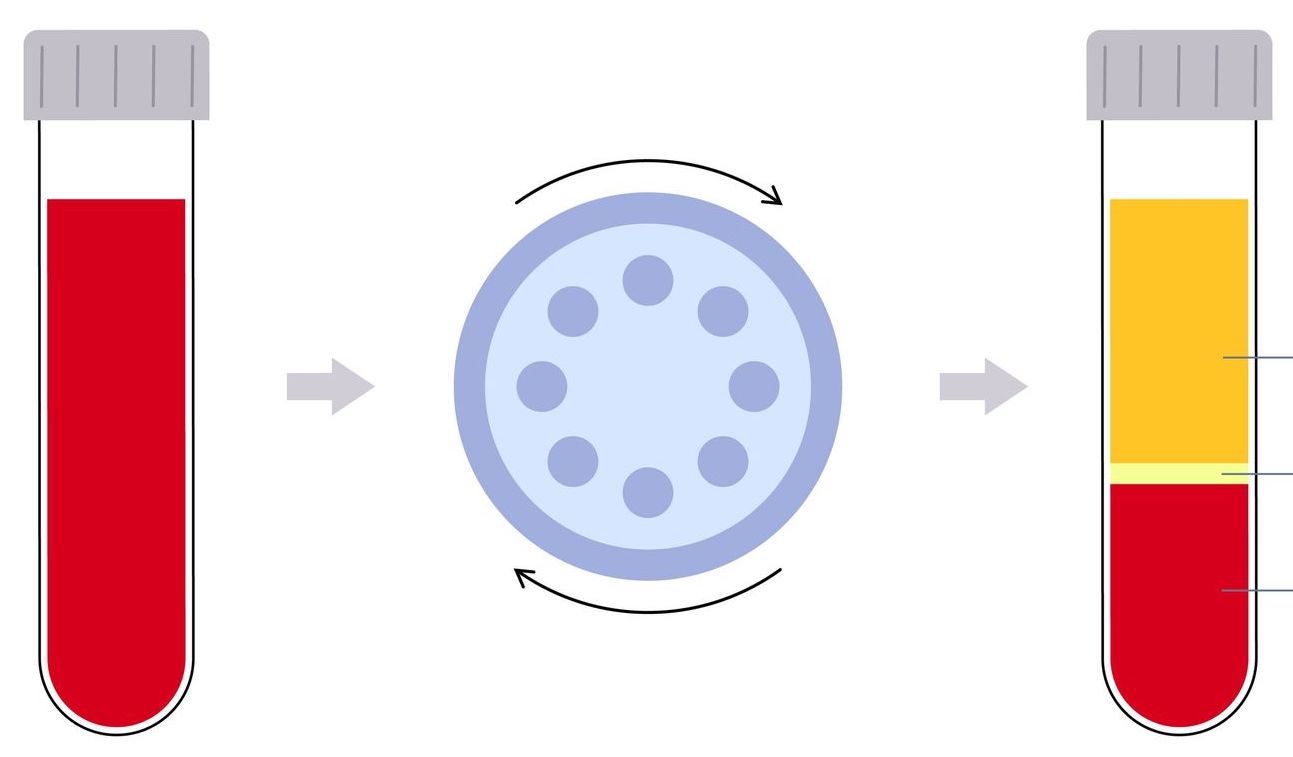
- A small blood sample is collected (usually 10–20 ml);
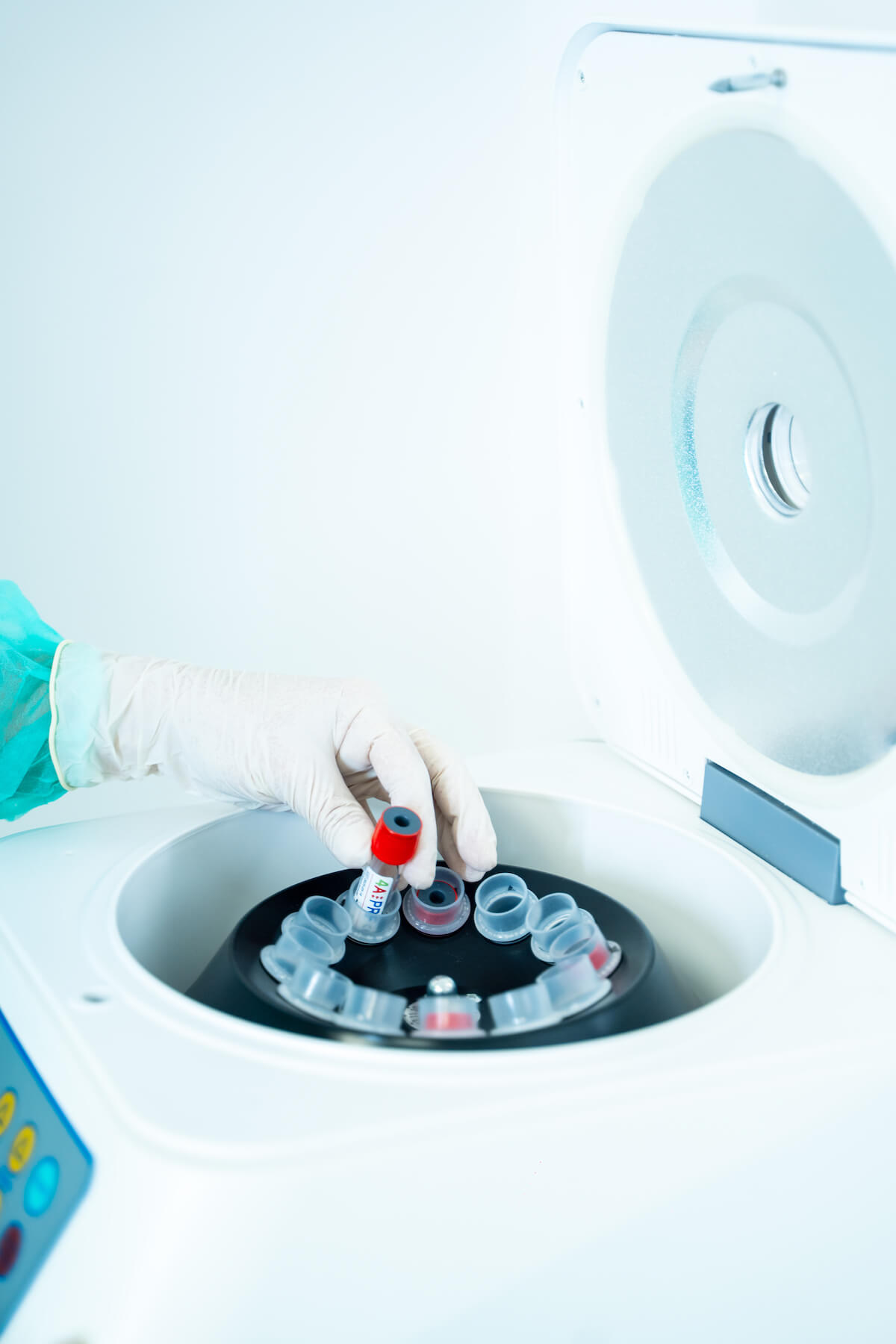
- It is centrifuged (spun rapidly in a special device);
- From the blood, the following is separated:
- upper part: plasma;
- middle part: fibrin with platelets and growth factors → this is PRF;
- lower part: red blood cells (not used).
The result is a gelatinous, natural clot that is applied directly to the site of the intervention (alveolus, bone, gum, etc.).
Where PRF is used in dentistry:
- After tooth extractions → for rapid healing and prevention of alveolitis;
- In implantology → promotes osseointegration and bone regeneration;
- In cystectomies / apical resections → for local bone regeneration;
- In periodontal surgery → restoration of the gum and supporting bone;
- In sinus lifts (sinus lift);
- In correction of bone defects (e.g. after removal of large cysts).
Advantages of PRF:
- Faster healing of the gum and bone;
- Less inflammation and postoperative pain;
- Reduced risk of infection;
- 100% biocompatible (comes from your blood, so no allergic reactions);
- Can be combined with bone graft materials for better results.
Sinus lift
Types of sinus lift:
A. Internal (or “crestal”) sinus lift
- It is done through the hole where the implant will be inserted;
- It is a minimally invasive intervention, for cases with ≥ 5 mm of remaining bone;
- The sinus membrane is gently lifted with delicate instruments or a small hydraulic hammer;
- A small amount of bone is added under the membrane and the implant is inserted in the same session.
B. External (or “lateral”) sinus lift
- It is done through a small window in the bone, on the side of the jaw;
- It is recommended if the remaining bone is less than 5 mm;
- The sinus membrane is carefully lifted and the cavity is filled with bone material;
- The implant can be inserted:
- immediately, if the bone is stable enough,
- or after 6–9 months, after the new bone has integrated
Why is PRF used in the sinus lift
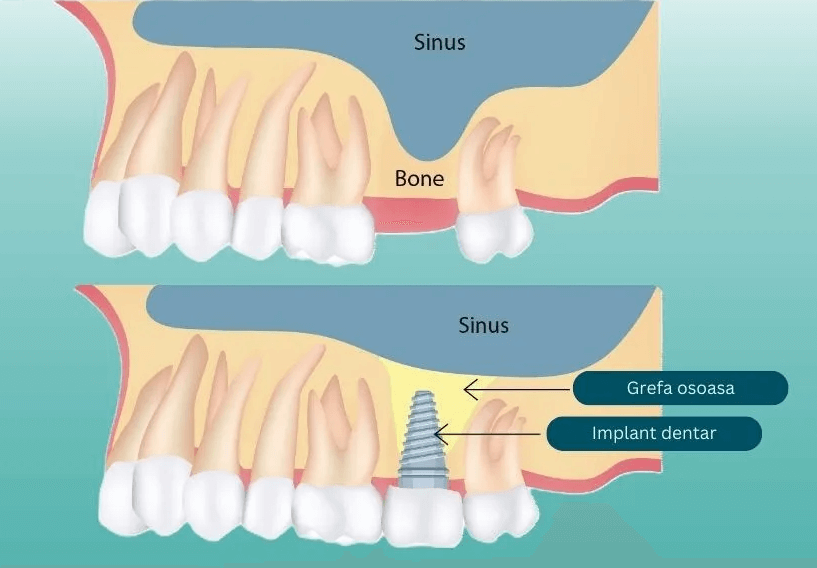
In a sinus lift, the surgeon lifts the maxillary sinus membrane and adds bone material (graft). The goal is to form enough new bone for the implants.
PRF (Platelet-Rich Fibrin) is added because:
- it contains natural growth factors (PDGF, TGF-β, VEGF, etc.);
- it stimulates the formation of new blood vessels (angiogenesis);
- it reduces inflammation and speeds up bone regeneration;
- it decreases the risk of perforation or infection of the sinus membrane.
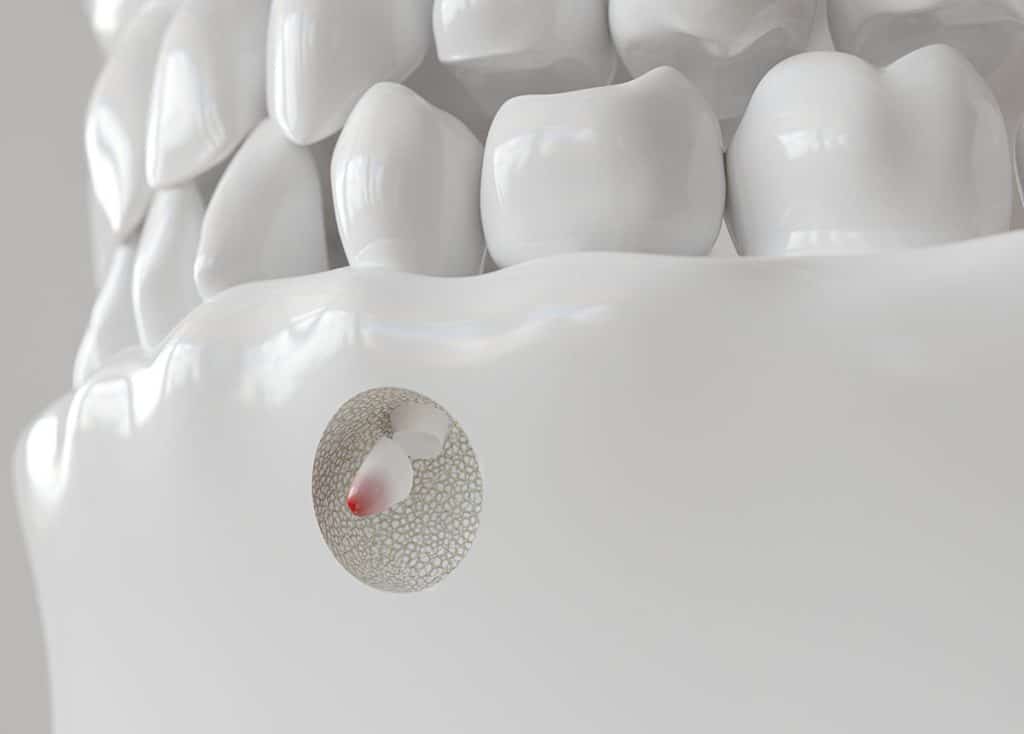
Apical resection
Apical resection is the surgical procedure by which the infection of the tooth root is eliminated.
The tip of the tooth root is cleaned very carefully, and the infectious process is removed.
This intervention is indicated after the attempt to save the tooth through endodontic treatment has not yielded results.
The situations in which apical resection is indicated vary from chronic infections of extensive dimensions to curved canals that do not allow penetration to the apex of the involved tooth.
Bone graft & guided regeneration
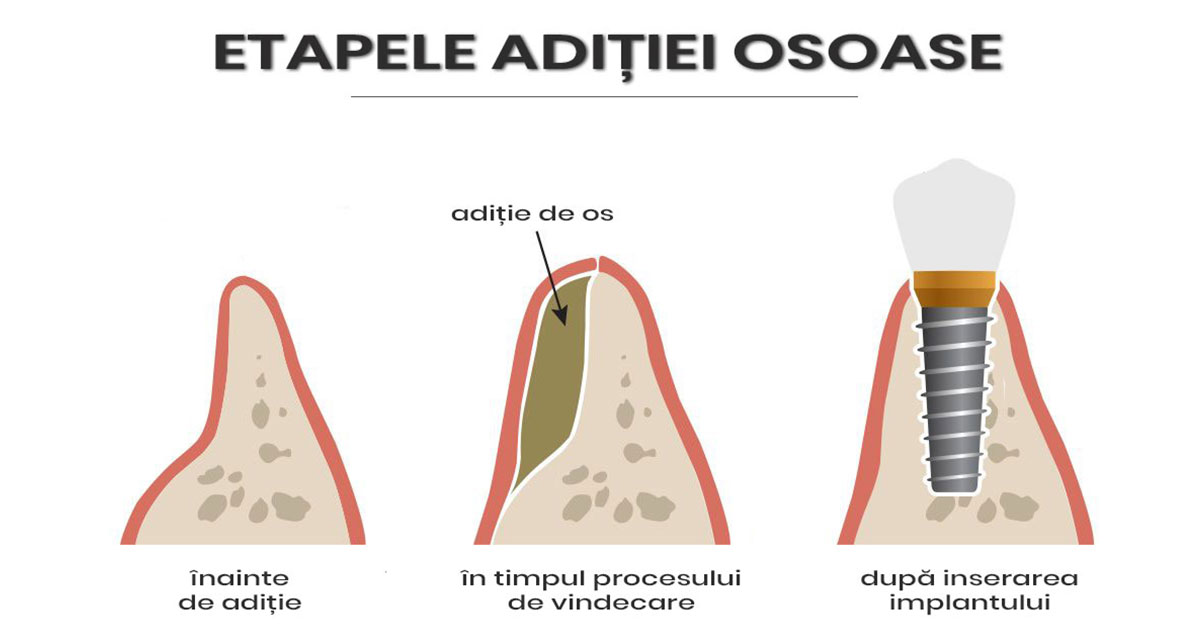
In situations where the bone volume is insufficient, addition is performed with biocompatible materials and guided regeneration techniques. We use collagen membranes to stabilize the area and form new bone.
- Bone reconstruction before implant
- State-of-the-art materials
- Predictable and safe healing