












Gingivitis: causes, symptoms, treatment
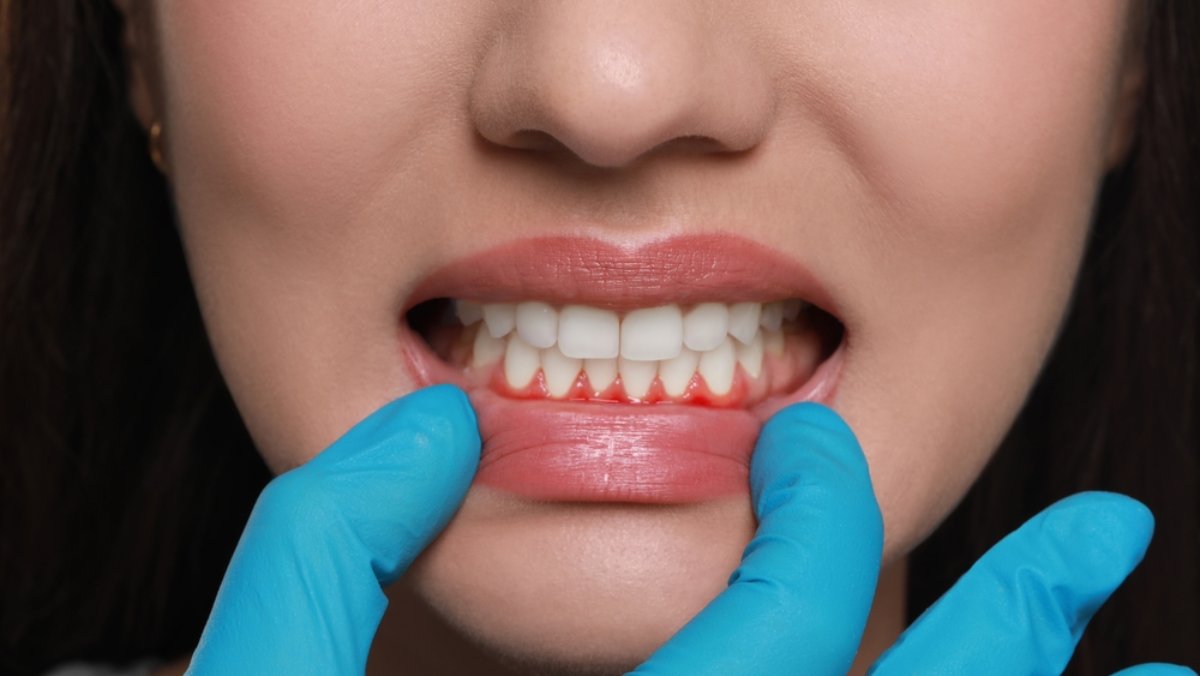
Gingivitis is inflammation of the gums that can cause redness, swelling and sensitivity, sometimes accompanied by bleeding while brushing. In most cases, treatment consists of professional dental cleaning combined with a proper daily oral hygiene routine.
In short:
- Gingivitis is inflammation of the gums.
- Bleeding gums while brushing are among the first noticeable signs.
- The condition can occur at any age, including in children.
- Pregnancy gingivitis commonly occurs because of hormonal changes.
- Professional dental cleaning remains the main treatment method.
- Laser therapy is one of the modern options used in certain cases.
What is gingivitis?
Gingivitis is inflammation of the gums, the tissue located around the base of the teeth. It is considered the first stage of periodontal disease and, unlike more advanced forms, does not affect the bone that supports the teeth.
Gingivitis can occur at any age and, in most cases, is relatively easy to manage through proper oral hygiene and regular dental check-ups. The condition is reversible in its early stage, so timely intervention supports the restoration of healthy gums.
What causes gingivitis?
The main cause of gingivitis is the accumulation of bacterial plaque on the teeth, especially in areas that are difficult to reach through regular brushing. Causes may therefore include:
- insufficient or irregular oral hygiene;
- tartar that has accumulated over time;
- hormonal changes, such as those occurring during pregnancy or puberty;
- certain habits, such as smoking.
Identifying the main cause helps the dentist recommend an appropriate approach for each patient.
What are the symptoms of gingivitis?
The symptoms of gingivitis are generally easy to notice and include visible changes in the gums.
| Common symptom | Observation |
|---|---|
| Red gums | Especially visible around the base of the teeth |
| Swollen gum tissue | May occur locally or more generally |
| Bleeding while brushing | One of the most common signs |
| Mild sensitivity | May be noticeable when in contact with food |
A dental evaluation allows the diagnosis to be confirmed and an appropriate care plan to be established.
How is gingivitis diagnosed?

Gingivitis is diagnosed during a dental consultation by directly examining the gums and assessing any signs of bleeding or inflammation.
A consultation at AP Stomatologic Clinic in Ploiești allows the diagnosis to be confirmed and an appropriate solution to be recommended for each case.
What does gingivitis treatment involve?
In most cases, gingivitis treatment consists of professional dental cleaning, which removes bacterial plaque and tartar accumulated on the teeth. This stage is complemented by clear recommendations regarding daily oral hygiene.
For situations that require further evaluation, the clinic's periodontology team establishes a personalized approach adapted to each patient's gum condition.
How is laser treatment for gingivitis performed?
Laser treatment for gingivitis is a modern method used to reduce bacteria around the gums with a high degree of precision in the affected area. It is generally used as part of a broader treatment plan alongside professional dental cleaning.
Following the evaluation, the dentist determines whether this approach is suitable for each patient's situation. If you need gingivitis treatment in Ploiești, AP Stomatologic can provide access to this modern therapy.
What should you know about gingivitis in children?
Gingivitis in children is common, particularly during the period when teeth are changing or when oral hygiene has not yet become a well-established daily habit. In many cases, it improves quickly with a proper brushing routine supported by an adult.
Treatment for gingivitis in children generally follows the same principles as in adults, adapted to each child's age. In situations where gingivitis is localized around a tooth whose structure is significantly affected, the dentist may recommend, in certain cases, a tooth extraction to prevent repeated irritation of the gum tissue.
What is pregnancy gingivitis?
Pregnancy gingivitis is a form of gingivitis associated with the hormonal changes specific to pregnancy, which can increase the gums' sensitivity to bacterial plaque. It is common and presents similarly to ordinary gingivitis, with redness and mild bleeding.
Rigorous oral hygiene together with regular dental check-ups during pregnancy supports gum health throughout this period.
How much does gingivitis treatment cost?
The cost of gingivitis treatment depends on the complexity of the case and the procedures recommended after evaluation. The dentist provides all necessary details before treatment begins.
For an accurate estimate, you can consult the price list of AP Stomatologic Clinic.
How can you prevent gingivitis?
Proper brushing twice a day, together with flossing, significantly reduces the accumulation of bacterial plaque around the gums. Regular dental check-ups complement daily care and allow any changes to be detected early.
A balanced diet with reduced sugar intake also supports long-term gum health. Choosing an appropriate toothbrush and replacing it regularly are also part of a complete oral care routine.
Next steps
- schedule a consultation if you notice bleeding or redness of the gums;
- maintain a daily brushing and flossing routine;
- follow your dentist's recommendations after each check-up.
Remember:
- a correct diagnosis can only be established after a dental consultation;
- the appropriate treatment depends on the cause identified in each individual case.
Gingivitis is a common condition that can be effectively managed through professional dental cleaning and a proper daily oral care routine. Schedule a consultation at AP Stomatologic Clinic for a complete evaluation and a solution adapted to your situation.
Frequently asked questions about gingivitis
Is gingivitis contagious?
Gingivitis is not transmitted directly from one person to another, although certain bacteria involved in its development can be shared through close contact. Individual oral hygiene remains the main factor in preventing it.
Can gingivitis be completely cured?
Yes. In most cases, gingivitis is completely reversible through professional dental cleaning and a proper oral care routine. Maintaining these habits supports long-term results.
Does pregnancy gingivitis go away after childbirth?
In many cases, symptoms improve after childbirth as hormone levels return to normal. Rigorous oral hygiene during pregnancy supports this process.
At what age can children develop gingivitis?
Gingivitis in children can occur as early as the eruption of primary teeth, although it becomes more common as the child grows. Regular dental check-ups help monitor gum health.
Is laser treatment painful?
Laser treatment for gingivitis is generally well tolerated by patients, with minimal discomfort during the procedure. The dentist provides all necessary information before treatment begins.
Disclaimer: The information in this article is educational and general in nature. It does not replace medical consultation, diagnosis or treatment provided by a doctor or another healthcare professional.
Sources:
- "Gingivitis: Symptoms & How To Treat It." Cleveland Clinic, my.clevelandclinic.org/health/diseases/10950-gingivitis-and-periodontal-disease-gum-disease. Accessed July 30, 2026.
- "Gingivitis - Symptoms and Causes." Mayo Clinic, www.mayoclinic.org/diseases-conditions/gingivitis/symptoms-causes/syc-20354453. Accessed July 30, 2026.
- "Pregnancy Gingivitis: Bleeding Gums, Treatment & Prevention." Cleveland Clinic, my.clevelandclinic.org/health/diseases/22484-pregnancy-gingivitis. Accessed July 30, 2026.