














Peri-implantitis: common causes, associated symptoms, recommendations
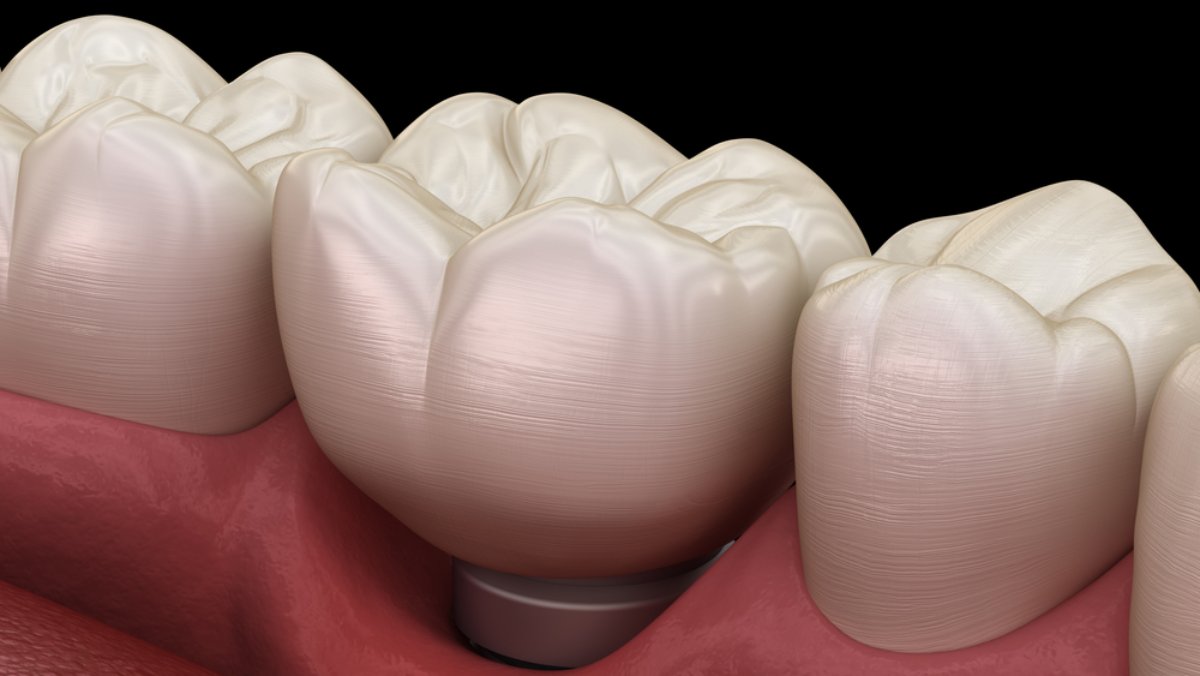
Peri-implantitis is an inflammatory condition that affects the tissues surrounding a dental implant, including the bone that supports it. It is mainly caused by the accumulation of bacterial plaque around the implant. The main recommendation is a prompt dental evaluation to establish a treatment plan adapted to the identified stage.
In short:
- Peri-implantitis may be preceded by an early, reversible condition called peri-implant mucositis.
- Rigorous oral hygiene significantly reduces the risk of developing the condition.
- Smoking and a history of periodontal disease are known risk factors.
- Signs usually include redness and mild bleeding while brushing.
- Regular dental check-ups allow early detection of changes.
- Treatment ranges from professional dental cleaning to more extensive procedures.
What is peri-implantitis?
Peri-implantitis is an inflammatory condition that affects both the soft tissue and the bone surrounding a dental implant. It differs from a simple superficial inflammation because the bone structure supporting the implant is also involved.
Peri-implantitis is considered the implant equivalent of periodontal disease affecting natural teeth, with similar mechanisms and risk factors. Recognizing this similarity helps explain the importance of regular check-ups after a dental implant has been placed.
What is the difference between peri-implantitis and peri-implant mucositis?
Peri-implant mucositis is an early, reversible stage in which inflammation affects only the soft tissue surrounding the implant, without involving the bone. When it is not managed in time, it is considered a precursor to peri-implantitis.
Peri-implantitis is a later stage in which the inflammation also extends to the surrounding bone. Early identification of peri-implant mucositis allows for a simpler intervention that may prevent progression to peri-implantitis.
What are the common causes of peri-implantitis?
The causes of peri-implantitis are similar to those involved in periodontal disease, with certain characteristics specific to the area surrounding an implant.
- accumulation of bacterial plaque around the implant;
- a history of untreated periodontal disease;
- smoking, which is frequently associated with an increased risk;
- insufficient oral hygiene around the implant.
Identifying individual risk factors helps the dentist recommend an appropriate monitoring routine.
What risk factors can influence the development of peri-implantitis?
Certain factors may influence the likelihood of developing peri-implantitis even when daily oral hygiene is properly maintained.
- uncontrolled diabetes, which may influence the tissue healing process;
- the length of time the implant has been in function, as the risk may increase slightly over time;
- implant positioning, particularly when access for cleaning is more difficult;
- lack of regular dental check-ups after implant placement.
Discussing these aspects with the dentist helps establish a personalized monitoring schedule adapted to each patient's situation.
What are the symptoms of peri-implantitis?

The symptoms of peri-implantitis are similar to those associated with periodontal disease.
| Common symptom | Observation |
|---|---|
| Redness of the tissue surrounding the implant | Visible during careful examination |
| Mild bleeding while brushing | One of the first noticeable signs |
| Local sensitivity | Felt when touching or brushing the area |
| Increased probing depth around the implant | Measured by the dentist during the check-up |
A dental evaluation allows the diagnosis to be confirmed and an appropriate care plan to be established.
How is peri-implantitis diagnosed?
Peri-implantitis is diagnosed through a dental evaluation during which the dentist measures the probing depth around the implant and may recommend an X-ray to assess the bone in the affected area.
A consultation at AP Stomatologic Clinic in Ploiești allows the diagnosis to be established and an appropriate care plan to be recommended for each patient with a dental implant.
What does peri-implantitis treatment involve?
Treatment for peri-implantitis aims to reduce inflammation and stop its progression through an approach adapted to the stage identified during evaluation. In early forms, careful professional cleaning of the area surrounding the implant may be sufficient to improve the condition.
For cases that require an additional approach, the dentist establishes a personalized treatment plan that may include specific procedures for decontaminating the implant surface. Each stage is adapted to the identified condition and the response observed throughout treatment.
What role does professional dental cleaning play in preventing peri-implantitis?
Regular professional dental cleaning helps remove bacterial plaque accumulated around the implant, an area that can be more difficult to clean through regular brushing alone. This complements the daily oral care routine.
Regular dental check-ups also allow the condition of the tissue surrounding the implant to be monitored over the long term.
How much does peri-implantitis treatment cost?
The cost of peri-implantitis treatment depends on the stage of the condition and the procedures recommended following the evaluation. The dentist provides all necessary details before treatment begins.
For more details, consult the price list of AP Stomatologic Clinic.
How can you prevent peri-implantitis?
Maintaining rigorous oral hygiene, including proper brushing and the use of dental floss or interdental brushes, significantly reduces the risk of developing peri-implantitis. Regular dental check-ups complement daily care and support the long-term health of the tissue surrounding the implant.
Quitting smoking, when applicable, also supports the health of the peri-implant tissues. Open communication with the dentist about any changes you notice completes an effective long-term care routine.
Next steps
- schedule a consultation if you notice redness or bleeding around an implant;
- maintain rigorous oral hygiene adapted to the implant area;
- follow the check-up schedule recommended by your dentist.
Remember:
- a correct diagnosis can only be established following a dental consultation;
- the appropriate treatment depends on the stage identified by the dentist during evaluation.
Peri-implantitis is a condition that can be effectively managed through early evaluation and a proper implant care routine. Schedule a consultation at AP Stomatologic Clinic for a complete evaluation and a solution adapted to your situation.
Frequently asked questions about peri-implantitis
Does peri-implantitis occur around all dental implants?
No, peri-implantitis does not occur around all implants, and the risk varies depending on oral hygiene and each patient's individual factors. Regular check-ups help maintain the health of the tissue surrounding the implant throughout its use.
Is peri-implant mucositis reversible?
Yes, peri-implant mucositis is considered reversible when it is identified and treated early. This is why regular check-ups are recommended for all patients with dental implants.
How often are check-ups recommended for a dental implant?
The frequency of check-ups is determined by the dentist according to the overall condition of the implant and each patient's medical and dental history. In general, regular visits support the early detection of any changes in the peri-implant tissues.
Does smoking influence the risk of peri-implantitis?
Yes, smoking is associated with a higher risk of developing peri-implantitis, along with other factors such as oral hygiene and a history of periodontal disease.
Does peri-implantitis always require surgery?
No, early forms are often managed through professional dental cleaning and adjustments to the oral care routine. A more extensive approach is considered only when necessary following a complete evaluation.
Disclaimer: The information in this article is educational and general in nature. It does not replace medical consultation, diagnosis or treatment provided by a doctor or another healthcare professional.
Sources:
- "Peri-Implant Diseases." American Academy of Periodontology, www.perio.org/for-patients/periodontal-treatments-and-procedures/dental-implant-procedures/peri-implant-diseases/. Accessed July 30, 2026.
- Rokaya, Dinesh, et al. "Peri-implantitis Update: Risk Indicators, Diagnosis, and Treatment." National Library of Medicine, National Institutes of Health, pmc.ncbi.nlm.nih.gov/articles/PMC7536094/. Accessed July 30, 2026.
- "Peri-implantitis: Etiology, Prevention and Management Strategies." National Library of Medicine, National Institutes of Health, www.ncbi.nlm.nih.gov/pmc/articles/PMC12697511/. Accessed July 30, 2026.